Friday, March 30, 2018

Daily Blog - 3.29.18

Today's class was short and sweet. We began the class with a brief hello and quick introduction to class from Mr. Rivers. He explained how we need to get started as soon as possible on our pre production pages and what rooms we are going to be in for our podcasts.

We got together with our groups and then began our pre production pages, in which in discussed what we have done in the past together to make our podcasts better, and we made sure to include those variables in our last and final podcast. After finishing our pre production pages we were all off to our recording locations and began our last podcast. Our class finished with a goodbye from Mr. Rivers as always. 

After class today I realized how much fun it is to make these podcasts and I realized how I will miss this fun project. It has inspired me to continue to make podcasts in college with friends in the School of Communications that I will be attending at Montclair State. This project also helped me discover a new genre to watch and it is now something I will continue to enjoy. Without this project, I do not think that I would have known that I enjoy watching mobster movies (our genre was crime).

p.s. sorry for the delay, I forgot to hit publish!

Thursday, March 29, 2018

Daily Blog 3/29

Greetings once again my fellow classmates and welcome to one of my back to back daily blog entries. Today is the last school day before spring break which is awesome and I hope anyone reading this blog indubitably enjoys their time off. Today's class period was all about our podcasts. Unfortunately this is the third and final entry for everybody's series. We kicked off class with our pre production pages to help plan a discussion and lay out speaking/listening goals and objectives to reach. I hope you all learned something valuable from analyzing films and had some fun.

The name of my podcast series is Tuff Guy Chit Chat. Sebastian, Nick, and myself discuss films that star former WWE superstar Steve "Stone Cold" Austin. The first movie we discussed was The Longest Yard which came out in 2005. This was the first major movie that Steve starred in. The Longest Yard had a great cast including Adam Sandler, Terry Crews, Chris Rock, Nelly, Burt Reynolds, and more. Our second podcast was about Damage, where Austin plays a dangerous convict who ironically saves a young girl's life by entering the criminal underworld of fighting. The final episode of Tuff Guy Chit Chat from today was about The Condemned, a film about criminals being forced to fight to the death on a remote island, Steve Austin included. But who would honestly try to kill Stone Cold and think they could get away with it? I highly recommend you listen to our podcast if you want to be amused, intrigued, but never deceived.

The massive men of Tuff Guy Chit Chat made some excellent connections in today's episode to the real world and to other pieces of literature. We discussed the similarities between The Condemned, The Hunger Games, and Lord of the Flies. All three include people fighting each other to the death, but the far more significant correspondence is that of cosmos. Katniss Everdeen, Steve Austin, and the young British boys all find themselves descending into chaos and rejecting order (cosmos). Katniss and Peeta decide to kill themselves instead of letting the games end as they normally do which was extremely rebellious and the decision luckily saved both of their lives. The main theme in Lord of the Flies is rejection towards civilization and society, which is exactly what cosmos represents. We also referenced the Great Chain of Being, the medieval hierarchical painting we learned about in yesterday's class that summarizes order amongst living and non living things. The Condemned consists of several brutal killings and epitomizes chaos much like The Hunger Games or LOTF. These pieces of literature all directly defy cosmos and renounce the status quo. Sorry this isn't exactly a positive note to end on before the holiday, but nonetheless have a great break.


The Curtain Closes on Our Podcasts


Today's class was bittersweet as all groups prepared to record their final podcasts. As usual, we were given about fifteen minutes to plan, and then we had to record for the final time. For our final podcasts Mr.Rivers wanted us to essentially keep doing what we were doing, but with one extra question. How would this podcast serve to conclude not only the one 10 minutes segment, but the entire run of your podcast series?
When recording our final podcast, my group would be talking about Monsters University. We took our usual approach of giving background on the film's level of success, and then weighing in on how our opinions aligned with the general consensus. In today's case, we were slightly more critical of the film than the general public had been. We criticized the lackluster storytelling and predictable character tropes. We also compared the film to Inside Out and Coco in an effort to strongly unify our three podcast recordings.
Image result for monsters university
There really was not much done in class today because everyone was broken up and recording. Outside of the realm of podcasts, be sure to remember to write your one Be Reel Blog if you have not yet done so, and enjoy your Spring Break!

3/29/18 Daily blog

   Today's class was very different due to the fact that it was a podcasting day. Mr. Rivers used the beginning of our class to discuss the Podcast Guru a random drawing in the back of the classroom. Who was used to describe what we should do during our podcast and podcast preproduction. Some objectives include focusing on transition and knowing your facts, talking mainly about actors. Soon after we began to work on the actual preproduction. Our group was actually missing two people unfortunately, although we still managed quite well. This Podcast was probably our easiest mainly due to the fact that we have already done this 3 other times (including the baby driver podcast). Our group found the best way to get good meaningful conversations was by using bulletins to mark important portions of the film, and having specific group members discuss those portions. Throughout our other podcast I served mainly as a host which helped in getting transitions to other parts of the film we wanted to discuss. Through the usage of these simple ideas we were able to effectively finish our podcast and get through all important topics in a organized manner
   I feel the concept of preproduction is used in just about everyday life. It is essentially just being prepared or prepping for what is about to come next. Weather that is finishing an essay ahead of time or just writing down the topics for it. A preproduction is almost always useful. Even past school, prepping for the next can help motivate a person to achieve their goals. Overall today's class was another podcasting day, but it was also another day to help prepare for future endeavors.

Daily Blog 3/29

Today in class we did our last podcast with out groups.  Mr. Rivers gave us time to do our pre-production and then he told us where we would be recording our podcasts.   If you were absent today then you can make up your podcast with your group.  My group did our last podcast on the movie ITonya and the ending of the book  The Boys Of  Winter.  My group ended up really liking all of the movies that we chose.  Each movie we picked ended up someway having a connection to the one another. The book also had some connections to the movies, but it really connected well to the movie Miracle.  I want to thank Mr. Rivers for making us do podcasts, because it really showed how much work the people in the real world that create podcasts do.  To me it was crazy how much effort goes into something that seems to be so simple.  Honestly being someone that does podcasts for a living I give them a lot of credit, because it is not easy.  At times when we had to make at least a ten minute it felt like it was going to be easy until you start to talk; and watch the time go by and it doesn't go as fast as you planned it would.  I will say that this last podcast the time went by definitely faster then I thought.  The people that make podcasts in the real world for a living must have to be good at picking apart pieces of literature.  It must be hard to think of different topics to think of to talk about.  From experience, I will say trying to make a podcast with just you talking for most of it is extremely hard.  On a side note- I hope everyone has a fantastic break!       

DLB: 3/29/17

Today, March 29th, was our final day of our podcasts. River’s instructed us that we could and should go over our normal recording time, that way we could summarize and expand upon larger themes in our podcasts. We then spent the next 15 to 20 minutes preparing our pre-production pages for our podcast, as well as deciding which song to use as our intro. We decided to go with the Mighty Jungle, as it was funny even though it didn’t really relate to our podcast. This week, our final podcast was about O Brother Where Art Thou, and our book Old Possum’s Book of Practical Cats. As a group, this was our favorite movie so far, as it was fun and different. The whole movie dealt with myths from the south.There were a lot of musical themes in it, like when they performed A Man of Constant Sorrow, or when the Sirens lured the boys and drugged them.  We tried to incorporate our book more this time, and just have fun with our podcast, as it was our final one. We also tried to connect through poems, considering our book is a book of poems, and the movie is based off of Homer’s poem, The Odyssey. We’ve felt like our podcasts were fun but awkward. All that matters is that we had fun and accomplished our goals. If we did this again, I’d say we really need to work on being natural. Knowing the phone is there and knowing that it is graded made it a more stressful situation, rather than a natural conversation.
This podcast unit was both a helpful and useful one. Podcasting is on the rise for many as a serious profession. This could open up students to the idea of pursuing podcasting as a career, or just get them to improve on their speaking skills.

Be Reel: Sing Street

     Sing Street: An Address Not To be Missed
     Sing Street is a 2016 film directed by John Carney and was distributed through the Weinstein Company and Lionsgate. Set in 1985 Dublin in the dawn of new age music, and it tells the story of Conor Lawlor (Ferdia Walsh-Peelo), a teenager who's forced to transfer to a Christian Brothers school. As he struggles to settle in he meets Raphina (Kelly Thornton), a girl he develops a crush on, and winds up creating a band to impress her, while making friends along the way. On paper, the movie might not sound like nothing special and maybe even a little cliche, but it's in the film's execution where it really shines. For instance, the movie categorizes itself in not just a single genre, but three: a musical, coming-of-age, and comedy-drama.
     From an objective standpoint, I'd say this film more than succeeds on technical level due it's ability to have an engrossing story with charming characters and provide interesting environments and shots. The movie's greatest strength lies in its characters and how all of the main characters and some side characters are likable and much more than your typical cardboard cutout or stereotype. An example of this is in the character Raphina because she is not only and engaging character, but also the film's best. We are first introduced to her when Conor sees her on his way home from school and becomes enamored by her, but her presence remains consistent throughout the movie as she influences the other characters in a positive way. Originally, she appears to be your average hot (slightly) older woman that's flirty and upbeat all the time, but the film quickly disregards this notion. While she comes from a troubled past, with the help and support of Conor and his friends, she undergoes a character arc that leaves her better off than she ever was before. Aside from the characters, the movie is backed by an amazing soundtrack with original songs that incorporate a variety of genres. Each song is filled with meaningful lyrics that reflect the time period and whatever group the band is inspired by at the time. The songs also tie into to the characters and the plot, often moving both forward and being a literal link between them.
     Personally, I love this film and have seen it numerous times because I think the songs are really well made and the characters are likable. I thought it was really cool to have the songs be inspired by popular bands and singers at the time, while also putting their own spin on it. Another thing I liked about them was how the movie framed each one differently to fit the tone of the song and how the characters were feeling. I also thought the movie did well was the romance because it was a healthy relationship that developed over time and was very sweet. Unlike a lot if other movies that feel the need to shoehorn in a half-baked romance, this one involved characters from different backgrounds that learned to better themselves and others because of their connection. My favorite part of the film though, would be how it was perfectly able to balance being an energetic feelgood movie, while having compelling drama. I loved how realistic the movie felt and how it captured the struggles between family, without seeming too hammy or over dramatic. My favorite character in the film was Brendan, Conor's brother, because I really sympathized with him and loved how the movie portrayed him as a caring older brother who was stuck in life. I really enjoyed how the latter half of the movie was kind of dedicated to his interactions with Conor and how the whole film was split between music, Conor finding his way, his friendship with his brother, and his romance with Raphina. To top it off, I felt that the film's conclusion was the best part in the movie because I thought you could really feel the emotion of all the characters and how uplifting it was for the two main characters and Brendan. I would gladly rate this film as GOOD GOOD because it entertains the audience and manages to accomplish everything it set out to be. I suggest giving it a watch while its still on Netflix.

     Recommendations For Other Unexpected Musicals:
  1. Help! (1965)- stars The Beatles and is about them getting mixed up in a crazy adventure while being chased by a strange religious group. [Rating 4/5]
  2. Little Shop of Horrors- Seymour, a meek flower shop assistant finds a strange plat that brings in new customers, but the price of human blood [Rating 4/5]
  3. The Rocky Horror Picture Show- A young couple stumble upon a creepy mansion and meet its zany and strange inhabitants [Rating 3.7/5]
  4. Cannibal! The Musical- A man accused of cannibalism recounting his experiences to a reporter. [Rating: 3/5]
Sing Street Trailer


Sing Street Clip

Daily blog 3/29


Hello, my wonderful classmates. Welcome to my blog, which is better than Broc’s. If you were out today, fear not. For you did not miss any lessons or notes. However, you did miss your final podcast, so hopefully your group was able to rally and talk about some good stuff without you. I’ll tell you about my personal experience today in class. For the first 15 to 20 minutes of class, my group, podcast name “Clash of the Tuff Guys”, worked on our pre production. Our work here was mostly independent, as  we all gathered our ideas for topics to speak of during the podcast. The film that we discussed today was Captain America: Civil War. Check it out, it was a pretty good podcast. What I found to talk about for the podcast was to tie the film into the real world, because of what was going on during the same time  the film was released. Next, we all moved out into the hall and discussed. What helped us today was that we all agreed to just try and pretend the phone was not even there, and just tried to have a casual conversation about the film. Now that the podcasts are over, I have learned a couple things. First, I learned to get more comfortable speaking in a podcast situation. In addition, I also learned new ways to look at films and analyze them. Well, that’s all I got for you today guys. Farewell, and enjoy your spring break.

Daily log blog 3/29/2018 Liam Cooke

Daily log blog 3/29/2018 Liam Cooke

Today in Mr. Rivers class we were working on our last podcast of the podcast project. My group Ohona did our podcasts on La la land, jaws, and O Brother, Where Art Thou with our book being old possum's hat of practical cats, the main thing we were talking about is the music and scores in the film and the rhythm of the poems, and how much they relate to each other. The podcast now was able to be however long your group would like it to be, except it had to be at least ten minutes long. Our overall experience of making the podcasts was good. I found it to be difficult to keep the ball rolling and to keep from having dead air, or an awkward silence. However, we did have some good conversations about our movies but lacked in introducing the book to the points that we would make. We introduce each podcast using music, sometimes from the movie, sometimes not, but I feel like it added a nice touch to keep the environment from feeling dry and awkward. I feel we should have had a song going the entire time on low to keep the vibe of the room alive, however saying that, there were a few podcasts that did do that and all that the music added was a headache, the music was too loud so it made the people talk louder to each other, almost like they were low key yelling throughout the entire time.

Podcasts are now becoming a reliable job for many people now have the right style and persistence, whether your audience is on the radio or online the, I feel like there is a podcast for everyone promoting a serious option to make podcasts for a living.

Daily log blog 3/28 Liam Cooke

Daily log blog 3/28/2017 - Liam Cooke

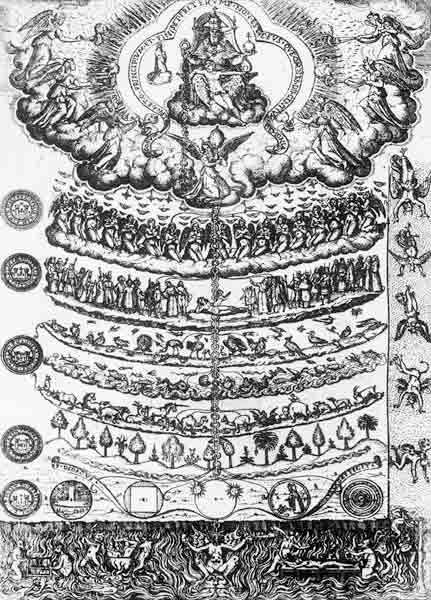
We started the class with Mr.Rivers showing us a picture like this. We then had five minutes to think to ourselves and take down notes on what were think this picture is portraying. When the five minutes were up we then had another five to talk with our groups and discuss what this picture is telling us. Then with the group time coming to an end, the class then turned to a class discussion lead by Mr.Rivers talking about what this picture really means. We came up to the conclusion that it showed the chain of command, with the highest figure at the top and with the chain it trickles down power throughout the levels each one being lower than the next. Seeing that we then turned to a short story by Bj Novak that was based on this theory of a hierarchy and chaos, the story described the how the principle of a middle school wanted to make school be more enjoyable, so he had a school meeting with everyone discussing how arithmetics is the reason school is so terrible. He then goes into how there will be no more math in middle school, and that no one can say a thing to anyone about what was discussed. It goes without saying that everyone spoke and the principle was fired, the head force him to retire, but he was happy about it. This goes along with the theory that was described in class saying that chaos will get justice and order will be re created.

This could relate to real life with the system that the united states has for the government, the president is the highest rank then it trickles down into lower and lower forms of authority.

Daily Blog 3/28

Greetings reader, welcome to my synopsis of film as literature. Today is March 28th and Easter is right around the corner. We started class with this mysterious picture which was created over 500 years ago.
The first thing that came to my mind was Dante's Inferno. I thought of the seven circles of hell which looks very similar to this image. I also thought of the movie Inferno with Tom Hanks and I recommend watching it if you haven't yet. 
However, I was indubitably deceived when Mr. Rivers told us what the picture really is of. It depicts The Great Chain of Being, a hierarchical structure of all matter and life created in 1579. The top of the chain shows God and below him are angels surrounding him. The chain then goes down to man, animals, plants, minerals, and at the bottom you see what is presumably hell. This was how people viewed the world around them and Christianity was predominant. Back in the medieval time period, the Great Chain of Being represented order and cosmos. The bottom represents chaos and depicts demons and flames everywhere. Each group in class then thought of themes that apply to the Great Chain. I said, "Those who rule are still susceptible to defeat". If you look to the right side of the drawing, you can see five angels falling from the top (heaven) to the bottom (hell). This is what inspired the theme that I thought of. Whether the angels are being sent to hell or to rejoin the ranks of men, it shows they aren't perfect either. After discussing the Great Chain of Being, we began reading a short story written by BJ Novak, one of the writers from The Office. The story we read was about a principal who decided to remove math from his school's curriculum to ultimately make the student body happier. In the end, he was fired and learning math became mandatory but the principal moved to Florida and bought a house on the beach. The theme for this story that my table formed was "Cosmos/order can be disrupted without severe consequences". 

The topics we learned in class today have a great number of real world applications. The most important connection to make is to the realm of comedy. As time went on, writers and comedians have criticized the Great Chain of Being. Inciting chaos and disrupting cosmos is a classic method of disavowing the way of thinking in medieval times and beyond. 

Wednesday, March 28, 2018

Daily Log Blog 3/28/17

Mr.Rivers opened up class by saying how important reflection is and how it can help you really get to know what you found out in class and how you can apply it to your learning experience. We then transitioned into the theory of ¨curiosity¨ and how teachers can provoke students into being curious. Independently, we looked at a picture for three minutes and were told to write down what we noticed. Our group came up with the idea that at the top its a religious leader and then as you look below it has layers. Film really uses image to create an idea which is what this picture is doing. Mr. Rivers then told us that this picture was from medieval times and that it is named ¨The Great Chain of Being¨, the language is in Latin or older Greek, Hell is on the bottom and is it equals bad things. There are also tiers and they are divided but they are also tied to the top. Mr.Rivers then asked us to relate this picture to the genre comedy. Our class came up with the top being cosmos and the bottom is chaos. Mr. Rivers then told us to make a theme about cosmos and how this picture demonstrates that idea. Our group came up with the theme that the people closest to the top hold the power to maintain the structure of the world. Mr.Rivers then wanted to read us a story and wanted us to find what the story is saying about cosmos. The story was by BJ Novak and it was about a principal who wanted to get rid of math and just read and write all day. By the end of the story the principal got fired and moved to a Florida and just wrote and read all day.

Chaos, Cosmos, and the Hare Beats the Tortoise


Image result for the great chain of being

Today in class, we analyzed a painting titled "The Great Chain of Being." Initially Mr.Rivers asked us to simply react to the picture. In my groups initial reaction we noticed the obvious divide between what can best be described as Heaven and Hell. We also saw the six layers in between them which consist of plants < land animals < sea animals < birds < humans < angelic figures. After all of the groups shared their initial reactions, we were then tasked with developing a theme to fit the ideas of chaos and cosmos. My group said, "'The Great Chain of Being' represents cosmos by linking all of the parts of existence. The chain runs strong through seven layers of being, and unites them all. The only bit of chaos (Hell) is completely removed from the united chain of cosmos." We then once again came together as a class and shared our final thoughts on how the ancient painting reflected modern ideas of chaos and cosmos. 

After looking at the painting, Mr.Rivers read us a story called "The Rematch." It follows the Hare from "The Tortoise and the Hare" as he attempts to regain his dignity. After months of training and trying to convince the Tortoise to a rematch, the two faced off for a second time. This time the Hare completely destroyed the Hare, and the new message of the story became, "slow and steady wins the race, till truth and talent claim their place." We then had to find examples of each type of comedy throughout the story. The superiority came when people laugh at the Tortoise for losing what he really didn't deserve, the incongruity came when a small section of the otherwise kid friendly story began using expletives, and the relief theory came from the idea of taking a phrase that society has coined as fact and flipping it on its head.
Also, don't forget to catch up on any podcast reviews and reflections you have! Your final podcast will be recorded tomorrow (3/29)!

Outside of class, I recently watched the second season of The Santa Clarita Diet. I am planning on writing my Be Reel blog about it so I don't want to give away too much, but the show has an excellent use of chaos and cosmos. The characters are constantly finding themselves in chaotic situations that sometimes take two or three episodes to resolve. It is one of the few shows in recent memory that has had me laughing out loud through its inventive takes on existing tropes. I cannot recommend the show enough to anyone who has enjoyed learning about comedy in class.

Daily Blog

Hello class! Today we discussed comedy theories, like we have the past couple of days. However, we took a different approach. We analyzed a painting and read a story. At the beggining of class, we also talked about these things:
-make ups by tomorrow the 29th
-be reel blogs

After this, we went right into the picture analysis. This is what my group and I came up with:
-Natural order
-Includes satan, nature, fish,birds, people, angels, and then god. There are also angels falling to hell or ascending to heaven.
-6 layers of existence- moral value
-Religious background
-Medieval period

This painting was called “The Great Chain of Being," which lead into our next part of class. Knowing the title, we had to come up with themes and assertions about the cosmos of the picture. My group came up with:
-Natural pecking order regarding life
-“This image represents a natural pecking order regarding life and divinity. First are angels, second are humans, then are birds, then are aquatic animals, then are land animals, and then are vegetation.”
The MVP our group picked was:
"The Great Chain of Being" represents cosmos by linking all of the parts of existence. The chain runs strong through seven layers of being, and unites them all. The only bit of chaos (Hell) is completely removed from the united chain of cosmos.” - Steven Sullivan

After this, we jumped right into a story by BJ Novak. He wrote a sequel to the story of the Tortoise and the Hare. After reading the story, we broke into groups to discuss how comedic theories were shown in this text. This is what we came up with as a class:
Incongruity: cursing (when children is the usual audience), reversing the expectations of the tortoise winning the race/morals
Relief: playing with societal expectations
Superiority: audience > tortoise, emotional lows of the hare

Finally, we analyzed the moral of the story, or the lesson to be learned. This is the statement my group came up with:
"The example of the tortoise beating the hare is an example of chaos, where things are not what they should be. However, eventually things will return to their natural order of cosmos. Talent will eventually beat out persistence."

This took us all the way to the end of class! Hopefully, this helped you have an understanding of what we did and why we did it. Have a great evening everyone!


March 28th - Daily Log Blog

Today we started off class by looking at a picture that seemed to have some kind of hierarchy theme. There are 7 different layers which all have organisms on them. Trees are at the bottom while god and his angels are at the top. There is an angel falling all the way down to hell which symbolizes satan. Each level in the picture represents a link in the chain that preserves order. Everything in Hell is not in order and it is all full of chaos while above hell everything is in cosmos. The group with the best observation said, “To preserve the order there has to be some type of higher figure to control the things below. This could be taken religiously or just in general like the President.” Then we read a short story called Rithmetic by BJ Novak. It was about a principal who decides to get rid of math from his school and then he gets fired shortly after. A theme that I took from this story was that when order is destroyed or destabilized, it corrects itself quickly. Math symbolizes order in this story and the principal completely destroys the order. A claim that this story makes is that a leader can create chaos easier than he/she can create cosmos. This is supported by the fact that the principal just calls the school into the auditorium and causes chaos very easily by cancelling math. The theme is supported by the fact that the principal is fired and order is restored relatively quickly.
The writer of the short story also plays Ryan in the Office and wrote some of the Office. I found some of the writing to be similar because it involves a leader figure who says absurd things and causes chaos just like the Office. The principal in this story is a lot like Michael from the Office. I enjoyed this story and found that it was pretty funny but nowhere near as funny as I found the Office and I think it is something to do with how funny Steve Carell is as Michael.

Daily Blog Post

Hello Everyone,
So today like most days we started with Mr.Rivers wishing us a good morning in typical Rivers fashion. Along with the good morning Rivers gave us some healthy reminders of what is to come and what will be due soon. Rivers then shared out how he was at a teaching work shop and presented us with a rather odd looking image. Rivers then asked us to look at the image ourselves first then share out what we thought. Personally I thought that this image was a representation of social rankings being that there were multiple levels and on each level there was a different animal/ living thing on each level.

This image was then later to revealed as the "Great Chain of Being". "The Great Chain of Being" is an  ancient photograph that has Latin, this picture had several layers to it from our analysis. We then came to the conclusion that this picture represented multiple key terms that we were studying. For example; being that there are multiple levels the highest of which being God's side, which appeals to Cosmos(order). And the devils side which is at the very bottom of the chain which represented disorder and chaos. Within our deeper analysis we made a connection that this image was a representation of preserving order.   

In-making this connection Rivers then moved into reading us an article by Bj Novak about a principal who has a clear hatred for math. Within this article we analyzed it for our usual Incongruity, Relief, and Superiority theories as well as themes. One of the large themes that my group took away from this was tools like math help took maintain order in society and keep people comfortable. Relating outside of the class room I cam up with a list of movies where the rules of society are put into question. Be sure to check out if your interested in these movies:

The Matrix
Blade Runner 2049
Brasil
Equilibrium
Donnie Darko

Daily Log Blog 3/28/18


    Today in class we started by examining the painting "The Great Chain of Being." We looked for themes and assertions about Cosmos through out the painting. We posted these on the google classroom page. The painting represented cosmos by tying together all parts of existence. There is seven layers of being connected by a running chain that unites them in a hierarchy, except for the tiniest bit of chaos at the bottom, Hell which is separated from the other seven beings.


In the second half of the class, We read and discussed "The Rematch" by B.J. Novak; A short story based around the infamous "The Tortoise and The Hare." The story takes place 5 years after the race that ruined Hare's life. Long story short, they have a rematch and the Hare obviously wins. The essential theme can be found in the last sentence of the story. "slow and steady wins the race, till truth and talent claim their place." (Novak). We discussed the three theories of humor. The story showed aspects of incongruity theory by being in a children's story format to strategically placed cursing towards the end. The fact that the audience feels superior to the tortoise after it loses proves the superiority theory (reversing the morals). Relief theory comes into play because the story plays with societal expectations of the original story.


Daily Log Blog 3/28/18


Good day fellow classmates. We begin class by saying Good morning to our tablemates and discuss podcast reflections and when they are due. Reflections should be completed by tomorrow morning so they can be discussed during class. On the classroom page their is a mystery picture that your table has to analyze and discuss what it means or what is on it.

This picture is called "The Great Chain of Being" and the layers of the picture are the moral values. Find the theme/assertions about cosmos. Once each group analyzes the picture they write an assertion about cosmos on the picture. Shows the hierarchy of the picture brings the cosmos and hell brings the chaos out on the great chain of being.

"The Rematch" 
https://docs.google.com/document/d/13SHy1nqMrCtUSpG7jGRrHQUxRuSv1mBkMJc0Tw5zjRI/edit

Next part of class we read "The Rematch" by BJ Novak. A story about the Hare and a tortouise racing. Once read we discussed the three types of comedy theories for the story. Supierority, Incongruity, and relief.  
Supieriority- Audience > Tourtouise 
Incongruity- Cursing and reversing the morals
Relief- Playing with societal expectations
In cocnlusion after discussing the theories we post a theme from the novel and get reminded that PODCASTS ARE TOMORROW!!!!!!!

Tuesday, March 27, 2018

Daily Blog - 3/27/18 - Sean Patrick Scully

Listening & Reviewing

Today in class, we were unfortunately not greeted with a "I'm glad to see you have your notes out and open whether those are digital or hardcopy" and even more sadly since we were not reminded to wish a good good morning to our table mates, I'm afraid not many did, because our beloved teacher Mr. Rivers was absent today. Anyways, for Period 2, he was replaced by the 15-year running substitute Mr.Vallaeu. We were told to check the Google Classroom for our work, which was to continue listening to our fellow classmates podcasts, one from another period, and finally our own, and analyze and respond to each of them due by tomorrow. Each student have great critique to one another and I believe this is a great idea as every podcast group has their own strengths and weaknesses. For the entirety of the class we did such, but if you finished early you were instructed to continue reading your book for the podcast (which we will be recording on Thursday). I believe critiquing each other's work can have a very positive affect and push everyone's work to be better, not only in podcasts but other aspects of life whether it be sports, business, or art. Anyways, hopefully tomorrow our fearless leader will be back at his desk and we can start the day off right with a good good morning. 
Thanks,
- Sean Patrick Scully

https://goo.gl/images/qmJLZi

Luke Schmitzer- Dailg log 3/27
Today in class our teacher Mr. River’s was not here. We were left with a substitute teacher, Mr. Valleau, and the other teacher in the class, Mr. Moriarty. Since this was the case, he left us an assignment to complete on google classroom. The assignment he wanted us to do was a repeat of what we had to do last time we had a substitute teacher. The assignment he tasked us with was to comment on people's podcasts, the podcasts included: a group’s who is in our class period, a group’s who is in a different period, and of course our own podcasts. These comments were meant to give feedback to the group of what they did good or bad. The purpose of this was to help the group make their podcast even better next time they make it, so next week for the next film that they watch. In my groups case for our next podcast is based on the movie the original Robo Cop. This connects to the outside world because it helps further dissect the movies we watch or the next podcasts we listen to. Also it helps understand the process it takes to make a podcast and how in reality it is just a normal conversation. This alsop helps realize what peer critique can do and how much it can help you move forward and better on your projects.

Daily Log Blog 3/27/18

Today, March 27th, 2018, Mr. Rivers was unfortunately absent. His ever-cheery composure was duly missed in the classroom today. We were tasked with an easy, yet pain-staking assignment. I was unfortunate to have to blog on this date as there is not much to discuss. We were asked to listen to two of our peers’ new podcasts, and our own. If you did not have headphones, you could complete the assignment at home. It is important to reflect on these, as listening to our peers’ podcasts may give us ideas of our own, or act as a learning tool so we may improve. It’s also important to leave constructive feedback for each podcast as it leaves room for them to improve upon. Listening back to your own podcast makes you really listen to what you say, how you say it and whether or not you contribute fairly to the podcast. I definitely heard listening back that I contributed often, but I felt it wasn’t always all that great.

An important lesson to take outside of the classroom is learning to review and reflect upon your own work. Many people tend not to because it’s often uncomfortable and cringe inducing. If you can look back on your own work, then you can go and improve upon it, leading to better products.

Daily Blog 3/27/18

Today Mr. Rivers was absent and we had Mr. Valu as a substitute. We were told that our assignment was on our classroom page and that if we did not bring headphones to class we would be allowed to complete our work at home. Our task was to listen to and review another groups blog from our class as well as one from another class and then our own. We were meant to write these reviews in the same format as the reviews we had written the week before. The assignment didn't take the entire period which was done purposefully so that we would have extra time to continue to read our books and prepare for our next podcast this Thursday. 

The purpose of reviewing other groups blogs and then our own is so that it gives us a perspective on how our group performs compared to others. This is a useful self-improvement tool in that by listening to others make mistakes and then hearing the same mistakes in your own work provides an insight into how we could improve our podcast to be more professional.

Daily Log Blog 3/27/18

Today in class Mr. Rivers was absent and our sub told us the assignment that Mr. Rivers left us was on classroom. The assignment was to review two podcasts, one from your class and one from another class, and then reflect on your own podcast like we had to do last week. If you forgot to bring earbuds you can do it at home, but if you finished doing all of the reviews in class you could keep reading your book for the rest of the period. Once we figured out to do we got to work on the reviews.

An extension from this class today that extends what we learned today to the world at large is how helpful reviewing and reflecting is. Reflecting on your own work can help you improve and grow and reviewing somebody else's work helps them improve.

Monday, March 26, 2018

Daily Blog 3/26

In class today Mr. Rivers welcomed the class back from the weekend and introduced the lesson for today. We are still learning about comedy and the three main forms, incongruity, relief, and superiority theories but going a little deeper. Today we specifically looked at the conventions of the comedy genre by describing the genre of comedy more specifically. The class broke comedy down into sub-genres which included things like, mockumentary, romantic comedy, sitcoms (situational comedy), and parody, etc. After we broke comedy down a little more we then watched two clips of sitcoms, Everybody Loves Raymond, and Oh Louie. While watching these clips we were asked to look at what are the conventions (ex. character, plot, style, comedy) of this genre, and what theme does the text develope about those conventions? The Everybody Loves Raymond clips that we watched consisted of the character Raymond thinking that he could make a simple dinner, then setting the kitchen on fire and has a difficult time putting it out until his wife comes and saves the day. While the Oh Louie episode took a different interpretation on a sitcom by not following the same setup to make a comedy. Once we were done watching the clips the class had a discussion about what we found so if the different conventions that we found were canned laughter, middle-class family that the audience can relate to, the man that can’t do anything right/the wife that has to fix everything, and a classic three wall set. The class ended while we were watching the second clip of Oh Louie and we are picking up tomorrow with the question “is this still a sitcom?” the reason for this being because it generally follows the same conventions but a little differently.

I found the lesson today really interesting because you don’t realize that every sitcom, specifically,  follows the same comedic formula, while staying in context.

Daily Blog -3/26/18

It's A Comedy?
     Today in class we continued with our unit on comedy by viewing examples in television and discussing their use of the genre. While we watched the video clips, we tried to keep in mind these three questions and how they related to each one: How would we describe the genre more specifically than comedy?, What are the conventions of this genre?, and What tone does the text develop about these conventions? The first example we saw was the kitchen fire scene from the 2005 television show, Everybody Loves Raymond, which had the titular character, Raymond, in the kitchen trying to make something, but forgetting about it and accidentally setting the kitchen ablaze. After watching the scene, the class found that the show seemed to fall into the genre of sit-com, specifically a family sit-com, because the show revolved around the interactions of Ray's family and the wacky situations they got in. We found that the show followed some conventions of the genre, such as the laugh track and having an oblivious male character. The clip also utilized the superiority theory of comedy because all the types jokes used involved the viewer laughing at Ray's stupidity and inability to notice that something was happening right next to him, and the irony of him saying he was a good cook, but he managed to burn something pretty easily. For the show's tone towards theses conventions, the class agreed that the show embraced them due to its abundance of them and lighthearted mood.
     The last two video clips we saw were from the 2010 television show, Louie, that is about a recently divorced father and his struggles with everyday life as he works as a comedian. The first clip we watched from the show was the Oh Louie scene, which was originally set up like  your average 80's sit-com, but later diverged into the regular style of the show. I labeled the show as a cynical comedy or mature comedy because the remainder of the scene played of established tropes of the genre, while having a negative tone. Although the clip was vastly different from other sit-coms, the class said it would still technically fall under the same genre because the beginning of the scene used conventions of this comedy genre like: kitchen scene where the wife comes in and is annoyed with the husband, having a lazy and dumb male, middle class family, episode/show titled after the main character, and a laugh track. This clip also displayed characteristics from the relief theory of comedy because it made jokes and had the audience laugh at certain topics that they usually wouldn't, such as family and production issues. In this clip, the show had a negative tone toward these genre conventions because the main character criticized the husband's character's actions and treatment towards his wife, and insulted the audience in the show for choosing to watch it.The final video clip we watched in class, was the pregnant scene from the same show, which had Louie's sister in pain and had him worrying and struggling with how to help her. I still considered the show a sit-com, but also a dramatic comedy because it dealt with more realism than most shows of its genre. Similarities it shared with other sit-coms included the eventual bright lighting of the scene and its use of the superiority theory and relief theory of comedy, by having us laugh at Louie's inability to help or cope with his sister being in pain. I said that the show had a playful tone towards these conventions because it subverted our opinion on sit-com comedy, but also embraced a few of them.
     The three questions we thought about in class can be related to the world at large because any comedy is essentially made up of the same structure and conventions, whether or not they hold them in high esteem. An additional example of a clip where these questions can be applied, is in the clip __ from Parks and Recreation. The 2009 television show follows Leslie Knope, bureaucrat who works at an Indiana Parks and Recreation, and her friends and the struggles they face in the workplace and out of it. We can further describe this show as a sit-com, but mostly a momentary because it had similar genre tropes, such as: fourth wall breaks, an in universe camera crew recording the characters at work, a handheld style of filming, lots of close ups and zooming outs, and the absence of a laugh track. In this scene, the show also displayed the superiority theory of comedy because each character is blaming another for breaking the cup in order to push the blame onto someone else and they, along with the audience, laugh or feel better when the spotlight is off of them. The text's tone towards these conventions was positive because the entire scene employed the use of these conventions to present a story and jokes to an audience familiar with this type of film/Television show that would recognize and enjoy them, especially if they were fans of the show's creators' previous show, The Office.

Parks and Recreation: Who Broke It Clip

Daily Log Blog 3/36/18

Today in class we watched three clips from different movies/shows. We thought about different types of comedy as well, alternative comedy, anecdotal comedy, black comedy, anti humor, parodies, mockumentaries, and sitcoms. We asked questions like what are the conventions of these smaller comedy genres and what is the tone. First we watched Everybody Loves Raymond. We watched the kitchen fire scene. It was a very simple scene, and it was a slice of life kind of genre/family sitcom. It's about a stupid husband and smart wife that makes wives feel good. There was a laugh track so the show can tell you when to laugh. There was dramatic irony when Raymond is unaware of the fire but we can see it spreading. The kitchen is made to look messy and lived in so the middle class mom audience can watch it and relate to the house. Next we watched, Oh Louie, and once again there was a super annoying overused laugh track and also a dumb husband who is being corrected by his wife. There is situational irony in both this show and Everybody Loves Raymond. Then there is a sort of 4th wall break in Oh Louie and it becomes a video of him trying to make a sitcom and making fun of that genre. Lastly we watched a clip from Louie where his sister is having a baby. It doesn’t have a laugh track and is actually way more funny in my opinion because watching something that has a perfect nuclear family is pretty boring and doesn’t give much depth to characters.

Class today made me think about how when I was a kid I used watch the show Full House every morning at my aunt's house. I don’t remember ever really enjoying that much but I remember feeling more neutral towards it and it was something brainless to watch. Today I tried to watch it again just to see, and now that I know those laugh tracks aren’t really people it made the show even worse than I’ve ever thought of it. Shows that have laugh tracks have definitely been ruined for me by this lesson, but luckily I never watched man shows like that anyway.

Sarah Haag- Blog

In class today, We started by writing down questions on the topic of comedy. The questions were:
  1. How would we describe the genre more specifically than comedy?
  2. What are the conventions of this genre?
  3. What tone does the text develop about these conventions?
We researched and identified different types of comedies such as dark, sitcom, spoof, mockumentary, etc. After this we then took a look at the sitcom “Everybody Loves Raymond”. After watching this we answered the first question and gave examples such as situation comedy, irony, slice-of-life, and family sitcom. The class then identified the conventions (second question) as dumb husband v. Heroic Wife/mom, laugh-track, Dramatic irony→ the audience knows more than the characters, as well as a bland middle class home. We then looked at the similarities of the conventions to the first minute of the show “Oh Louie”. The similarities were the laugh track and empathy for the dumb husbands. But as we resumed to play the show he then calls out the conventions and wants to do a different script.
The tone of the genre is more of light-hearted, but the tone of the compositions were light-hearted, humorous, and comical. The audiences that would most be attracted to this shows would be parents because it’s like an everyday life and so relatable to people.

Identifying the conventions and genres would be most useful when watching a show/movie. By using these genres to identify movies and shows that will bring in consumers.  
Luke Schmitzer- 3/26 Daily blog
Today in class we continued our discussion about comedy, and dove deeper into it. Instead of just talking about the three sections of comedy ( incongruity, superiority, and relief comedy), we began grouping the comedy into separate genres. This is like how on Netflix there are sub genres and we began to list them off. Some examples that we identified are horror comedies (IT), action comedy (A Team), romantic comedy, etc. We also began to dive into the sub genre sit coms and what it mean, situation comedy and we used everybody loves Ramon as an example of it. The TV Show, Everybody Loves Ramon, was described by a class mate as a show that all moms love. That is because it is set in a suburban area and has nice, innocent, clean humor. We watched part of an episode of Everybody Loves Ramon, and it demonstrated exactly that type of comedy. We than broke into groups and discussed what types of comedies were displayed in the clip. My group said that conventions shown in the show is the character claims to be a good cook but ends up setting the kitchen on fire. My group said the tone shown in the clip of the episode is it seems to be care free. Also my group said that the episode went further from comedy into ironic comedy. After the group discussion we went to discuss with the class and the class got the same sub genre we did. A convention the class said that my group did not is the dumb husband vs. heroic wife, and the fact that there was a laugh track on the clip. We then continued to do this with two more clips of different episodes of different but very similar TV shows. This connects to the outside of the classroom because we can begin to dissect films and further our knowledge of them. We will be able to further classify  genres of films and make it easier to see what it is.

Thursday, March 22, 2018

Daily Blog - 3/22/18 - Chris Vachris

Welcome back from yet another nor'easter. During the shortened period today the class started off with something light. Mr. Rivers commended us greatly for our work on the podcasts and recognized our intellectual progression. Rivers pointed out that the difference between our October selves and now was so astronomical and that our work was almost on par with some of the work Rivers listens to while outside of class. Everyone joked around and it was a great way to begin the class

We followed with yet another light topic by rediscovering the theories of humor that we began going over earlier this week. Justin Brick made an indirect appearance within our class in the form of a statement he made earlier when entering his own English period. "Your mom is a Day 2". We were given a solid five to seven minutes to discuss the joke and how each theory could be applied to his statement in particular. Superiority wise the joke was making light of someone's mother my calling her a Day 2. Incongruity wise the joke took two otherwise unlike things and mashed them into an object that didn't quite make sense but was funny none the less. Relief wise the joke could be interpreted as being saying the unknown individual's Mom is a day two but not something worse.

At the end of the period the class utilized yet another clip from the hit show, The Office. We analyzed how the scene where Dwight puts Dunder Mifflin through a test for, "Emergency Preparedness", could be applied to the three theories of humor as well. Each group picked a specific theory and we were tasked with applying it to the five-minute scene. Overall, the class today was further reinforcement of our knowledge on the three theories of humor and more practice in identifying said theories in humor and applying them

https://www.youtube.com/watch?v=gO8N3L_aERg

Tuesday, March 20, 2018

Ben Davis Daily Log blog part 2

SUB
Today in class we reviewed our own podcast, one from our class and one from another class and wrote reviews on them on google classroom

Soumya Duggirala- Class blog 3/20/18 - Podcast Reviews

We listened to podcasts and wrote reviews on them during class today. Everybody had to write a 3-4 sentence review under the podcast page of two groups, one in our class and one in another class. Then, we had to listen to our own podcast and write a lengthier, one paragraph long reflection in our notes, where we evaluated our performance, then copy those notes into the space in google classroom. In our own reflection, we were expected to focus more on specific choices in our pre- production and post- production.

I wrote miny reviews under 90$ Fella$ (about movies from the 90s) and Clash of the Tuff Guys (about Marvel Movies). One was about a movie about Pokemon and friendship, and the other was about the popular Marvel movie Deadpool. I found both groups' podcasts very interesting and entertaining (if you want to know more about my thoughts, look under each podcast page). In my own podcast I discussed Monty Python's Life of Brian and how it's funny with a friend. It was fun to record, and I feel like I've learned from listening to it again today.  

In other more "professional" podcasts, speakers obviously more experienced, and in many cases, more time. I wonder if there are reviews of podcasts like there are reviews for movies and books. Many definitely plan a lot beforehand. In one Freakonomics about lawns (How stupid is our obsession with lawns?), they interview a professor on the economics of lawns. There aren't any awkward pauses, and the interviewer has a clear plan as to what they are discussing and when they are discussing it. Everything transitions smoothly. This is sort of my goal with my guest podcasting, though a little bit different since neither of us are experts. 

Ben Davis Daily log blog

IWBAT Articulate how patterns in content develop genre and analyze how theories of humor create comedy

  • Structurally what makes a comedy
    • Chaos 
      • Disorder
    • Cosmos 
      • Order
    • Superiority Theory
      • "Very often we laugh at people because they have some failing or defect, or because they find themselves at a disadvantage in some way or suffer some small misfortune"
      • Superiority
        • The misfortune of others
          • Physical Pain
          • Emotional
          • At their Expense
        • Amazing race example, How does it represent superiority
          • Sling shot didn't work
          • Its a real person
          • we don't think about the actual pain
          • It does the opposite of what she wants it to do
    • Incongruity theory
      • "This is done by the abrupt intrusion into the attitude of something that is felt not to belong there, of some element that has strayed, as it were, from another compartment of our minds"
      • Incongruity
        • Subverted Expectation
          • its different
    • Relief theory
      • "Moreover people who have been undergoing a strain will sometimes burst into laughter if the strain is suddenly moved. It may be then that the central element in humor is neither a feeling of superiority nor the awareness of incongruity, but the feeling of relief that comes from the removal of restraint"
      • Relief
        • Removing the boundries
          • Dark humor
          • Joke about things you're not supposed to joke about 


This can be applied to our every day lives because we laugh every day and we can determine what type of comedy we are listening to. In my opinion we observe the superiority theory more than any other type of humor because everyone makes fun of each other everyday. However, it needs to be something that is not too serious because if its something you make fun of about someone else that is too serious it will result in a relief theory because of the removal of boundaries.

Monday, March 19, 2018

Daily Blog 3/19/18

In class today we talk about the different theories of comedy and how we use them we also talked about chaos which is a Lack of order, complications, confusion and cosmos which is
a sense of unity, harmony. The different theories of comedy
1. Superiority Theory- laughing when bad things happen to other people to feel better about ourselves

2.The Incongruity Theory -  when a stereotype does not fit, opposite of what you expect to happen happens

3.Relief Theory- Making jokes from social taboos and niece topics
we also watched clips from popular show like the office to show the different types of comedies

Learning about different types of jokes and different ways of doing comedy is important because life would be meaningless with out a little bit of joking

Class blog 3/19/18

In today's class, March 19th, our objective was to be able to articulate how patterns in content develop genre conventions. We revisited the meanings of chaos and cosmos, and made sure we understood the chaos is affiliated with disorder and conflict while cosmos is affiliated with order. We also began discussion on D.H. Monro’s “Theories of Humor”, which was the basis of the three tweets assignment on Google Classroom. The assignment was to craft three tweets, each tweet about one of the three theories presented in the article. The types of humor discussed include the incongruity theory, superiority theory, and relief theory. These tweets were to prove that we had an understanding of the each theory. Our class discussion was primarily based on these three theories, as we got more in depth into the meaning and understanding of them. Here is what I wrote down in my notes during class when discussing these theories:
Superiority: Laughing at the expense of others
→ the misfortune of others
→ expense, emotional (dumped), Physical pain (stairs)
Incongruity: humor derived from subverted expectations
→ Different from what you expect  (music, etc.)
→ Ex.) Two fish are in a tank. One turned to the other and asks do you know how to drive this thing?
Relief: Removing the boundaries of normal conversation (no filter)
→ Dark humor, feelings, political, religion, yo mama

Mr. Rivers also reminded us to stay on track with our movie and book for this Friday's upcoming podcast. These theories of humor can also be applies to our individual/group podcast content, depending on what texts we chose to use. For example, I would be able find and apply the use of the superiority theory in one of my podcast films, Goodfellas. Often times throughout the movie, there are multiple examples of both characters within the show and the audience watching whom would laugh or find humor in the expense or misfortune of others, like when the group of guys around Frankie would laugh at how slow Spider was after Frankie would make fun of him.

Be Reel: American Vandal


       I was recommended this show by my eldest sister. She described it as “The best, shittiest show” that she’s ever seen, and that it is. American Vandal is a Netflix original mocumentary created by Dan Perrault and Tony Yacenda that takes place in Oceanside, California. Two highschool students Peter Maldonando (Tyler Alverez) and Sam Ecklund (Griffin Gluck) start making a documentary after obscene images are spray painted on every single faculty member’s car. The documentary is about finding the culprit. While the vandal is unknown, the entire school administration seems to think it was none other than known nuisance, Dillon Maxwell (Jimmy Tatro). The school board is quick to believe that Dillon is the vandal based on his track record, leading to his automatic expulsion without hard evidence. The show is absolutely absurd, but for some odd reason you can’t stop watching it. You have to know “Who drew the dicks?”
     One of my favorite things about the series is that it portrayed high school in a more accurate way, rather than the typical high school Mary Sue characters and plot. The high school teachers, relationships, socialization, and dialogue are all depicted in a very accurately, mundane way, just like real life. All of the characters seem like they can be real people, no fluff, just your average high schoolers.
    American Vandal parallels real world ideas in the sense that someone can be completely framed for a crime without hard evidence based on their track record or public opinion.

Be Reel: American Vandal


       I was recommended this show by my eldest sister. She described it as “The best, shittiest show” that she’s ever seen, and that it is. American Vandal is a Netflix original mocumentary created by Dan Perrault and Tony Yacenda that takes place in Oceanside, California. Two highschool students Peter Maldonando (Tyler Alverez) and Sam Ecklund (Griffin Gluck) start making a documentary after obscene images are spray painted on every single faculty member’s car. The documentary is about finding the culprit. While the vandal is unknown, the entire school administration seems to think it was none other than known nuisance, Dillon Maxwell (Jimmy Tatro). The school board is quick to believe that Dillon is the vandal based on his track record, leading to his automatic expulsion without hard evidence. The show is absolutely absurd, but for some odd reason you can’t stop watching it. You have to know “Who drew the dicks?”
     One of my favorite things about the series is that it portrayed high school in a more accurate way, rather than the typical high school Mary Sue characters and plot. The high school teachers, relationships, socialization, and dialogue are all depicted in a very accurately, mundane way, just like real life. All of the characters seem like they can be real people, no fluff, just your average high schoolers.
    American Vandal parallels real world ideas in the sense that someone can be completely framed for a crime without hard evidence based on their track record or public opinion.